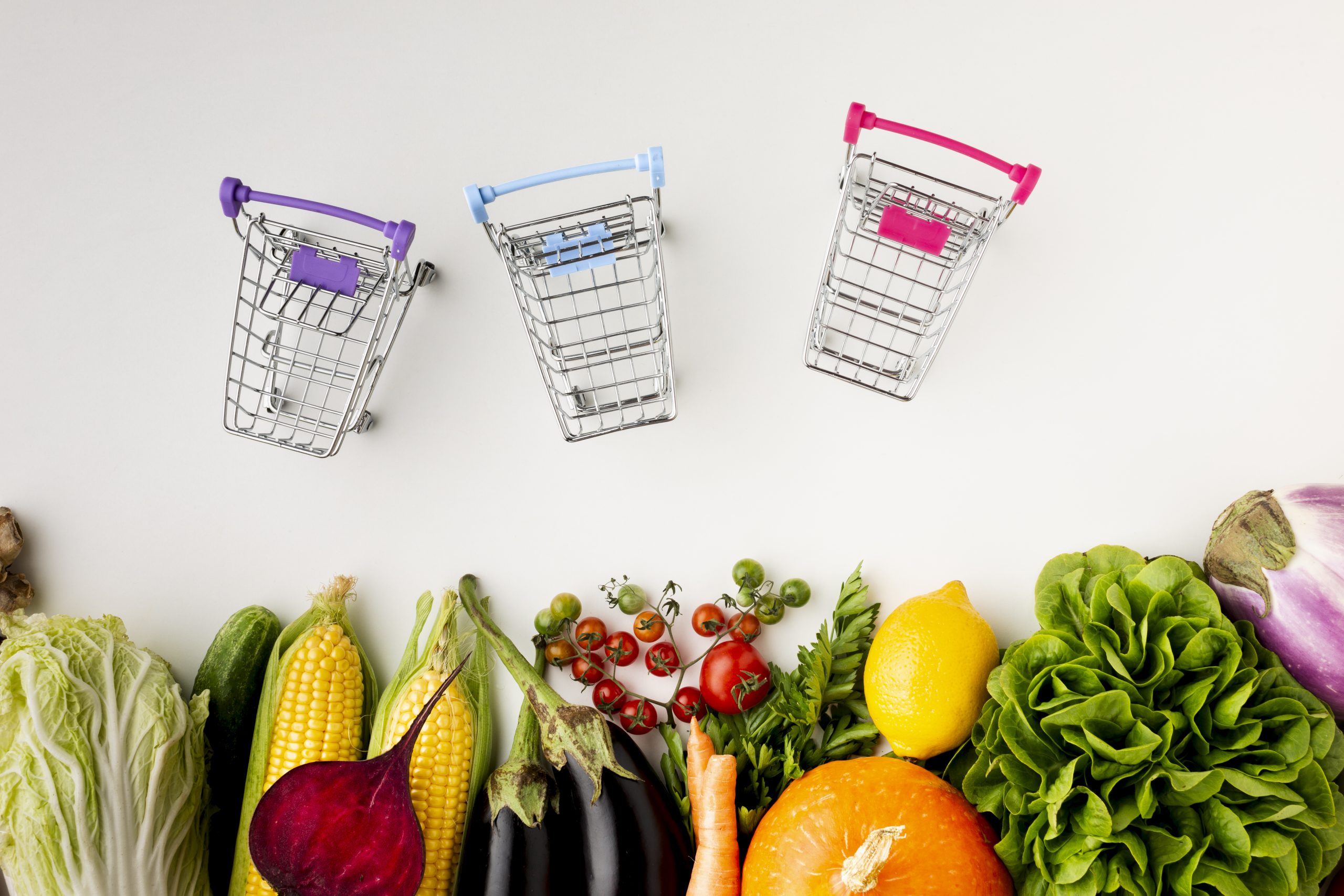
Your Tasty & Healthy Diet Starter Shopping List: A Guide for Crohn’s Patients
Starting a new diet can feel overwhelming, especially when managing a chronic condition like Crohn’s disease. The Tasty & Healthy diet is designed to support gut health, reduce inflammation, and help you feel better – all without compromising on flavor.
Below is a simple and practical shopping list to help you get started, along with tips to make your meals both nourishing and enjoyable.
This is the Crohn’s diet starter shopping list:
- Fresh Fruits and Vegetables
These provide essential vitamins, antioxidants, and fiber — as tolerated.
Here are just a few examples of common fruits and vegetables. Feel free to enjoy seasonal produce fresh, cooked, or blended into smoothies. Some Crohn’s patients may need to gradually introduce fruits and vegetables, based on individual tolerance and fiber content. It’s important to work with a registered dietitian familiar with IBD to personalize your diet.
Examples:
- Vegetables: carrots, zucchini, pumpkin, cucumbers, tomatoes, lettuce, and more
- Fruits: bananas, melon, apples, pears, berries and more
Tip: Cooked or steamed vegetables are often better tolerated than raw ones.
- Whole Grains
Choose naturally gluten-free, well-tolerated grains:
- White or brown rice
- Quinoa
- Gluten-free oats
- Millet
- Buckwheat
- Other gluten-free grains
Avoid: Wheat bran, whole wheat, rye.
- Gluten-Free Flours
Look for flours made from a single ingredient, such as:
- Almond
- Coconut
- Oat
- Buckwheat
- Chickpea
- Lentil
- Corn
These can be used in recipes for pancakes, breads, and pastries. Always check that the product contains 100% of the named ingredient, with no additives.
- Gluten-Free Pasta
Choose gluten-free pastas made from a single ingredient, such as:
- Rice noodles
- Lentil or chickpea pasta
These are excellent substitutes for traditional wheat-based pasta.
- Starchy Fruits & Vegetables
Naturally starchy options can be great sources of energy:
- Potatoes
- Sweet potatoes
Bake, mash, or roast them — they’re filling and well-tolerated by many.
- Lean Proteins
Protein is essential for healing and maintaining strength. Choose:
- Chicken or turkey
- Eggs
- Tofu or tempeh (if tolerated and made with only one ingredient)
- Fish like salmon, cod, or tuna
Avoid: Processed meats such as sausages, deli meats, or meat with additives.
- Plain Yogurt
Choose plain yogurt without additives (no added sugars, flavors, or vitamins). It’s a good source of calcium and can be used in muffins, cakes, or pancakes.
- Healthy Fats
- Olive oil, avocado oil, sesame oil (great for seasoning)
- Natural nut butters (peanut, almond, hazelnut)
- Avocado
- Tahini
- Raw nuts and almonds (buy unsalted and unroasted — you can roast them yourself at home)
Tip: Packaged roasted nuts often contain additives or preservatives, so check the ingredient list carefully.
- Plant-Based Milks
Choose unsweetened plant-based milk with only one ingredient (e.g., 100% almond milk). These can be used in baking recipes like muffins or pancakes.
- 1 Cocoa, Spices, and Flavorings
Stock your pantry with pure flavorings:
- Unsweetened cocoa powder
- Cinnamon
- Other pure spices (e.g., turmeric, cumin, oregano)
Tip: Cinnamon adds flavor depth and may help reduce the need for added sugar.
- Baking Essentials
- Baking soda – used in many recipes.
Avoid baking powder, which often contains additives and multiple ingredients.
Summary
Everyone with Crohn’s is different. This list offers a foundation based on the Tasty & Healthy approach. Your symptoms, sensitivities, and nutritional needs are unique — so be sure to personalize your diet with the support of a registered dietitian who specializes in IBD.
Written by: Luba Plotkin, a Registered Dietitian (RD).

Crohn’s and Eating Out: How to Navigate Restaurants with Confidence
Practical tips for enjoying food outside the home while following the Tasty & Healthy approach
Eating out while following the Tasty & Healthy diet requires a bit more thought and planning – but it’s absolutely possible and can be a pleasant treat from time to time. With the right preparation, you can enjoy meals out without compromising your well-being.
🍴 Before You Go: Set Yourself Up for Success
- Research the Menu in Advance
Most restaurants today publish their menus online. Take a few minutes to scan the options and identify gut-friendly dishes—look for grilled, steamed, baked, or roasted items, and steer clear of fried or heavily sauced foods.
- Call Ahead if Needed
Don’t hesitate to call and ask how dishes are prepared. Ask whether substitutions are allowed, and whether the restaurant can accommodate dietary restrictions like gluten-free, dairy-free, or additive-free options.
- Eat a Small, Safe Snack Beforehand
If you’re unsure whether you’ll find something suitable, have a light, gut-friendly snack before heading out. This way, you won’t feel pressured to eat something that doesn’t agree with you just because you’re hungry.
🍽️ At the Restaurant: Order with Confidence
- Stick to Simple Dishes
Choose meals made with whole, recognizable ingredients and minimal sauces. Grilled chicken or fish with steamed vegetables and rice is usually a safe and satisfying option.
- Customize When Needed
Don’t be afraid to ask for adjustments. For example:
“Can I get that without the sauce or seasoning?”
“Could I substitute the salad for steamed vegetables?”
“Is the soup made with cream or flour?”
- Be Wary of Buzzwords
Words like crispy, creamy, or smothered often indicate high-fat, dairy-based, or heavily processed ingredients. Favor terms like grilled, roasted, steamed, or baked.
- Watch Out for Hidden Additives
Even foods that sound healthy—like soy milk or gluten-free bread—may contain emulsifiers, gums, or preservatives. If in doubt, ask what brand they use or stick with simple whole foods.
✅ Tips for Specific Types of Cuisine
Asian (e.g., Thai, Japanese): Ask for dishes without soy sauce (which often contains gluten) or MSG. Stick to plain rice, steamed vegetables, and grilled proteins.
Mediterranean: Great choices include grilled fish, olive oil-based dressings, cooked vegetables, and hummus (if tolerated).
Italian: Look for grilled chicken or fish served with plain rice or potatoes. Avoid creamy pastas or rich tomato sauces if they cause discomfort.
American diners: Choose grilled proteins with a plain baked potato or rice. Skip fries, burgers with sauce, and any fried items.
Written by: Luba Plotkin, a Registered Dietitian (RD).
What Should Crohn’s Patients Know Before Going to the Supermarket?
When living with Crohn’s disease, what you eat can have a meaningful impact on your symptoms and overall disease activity.
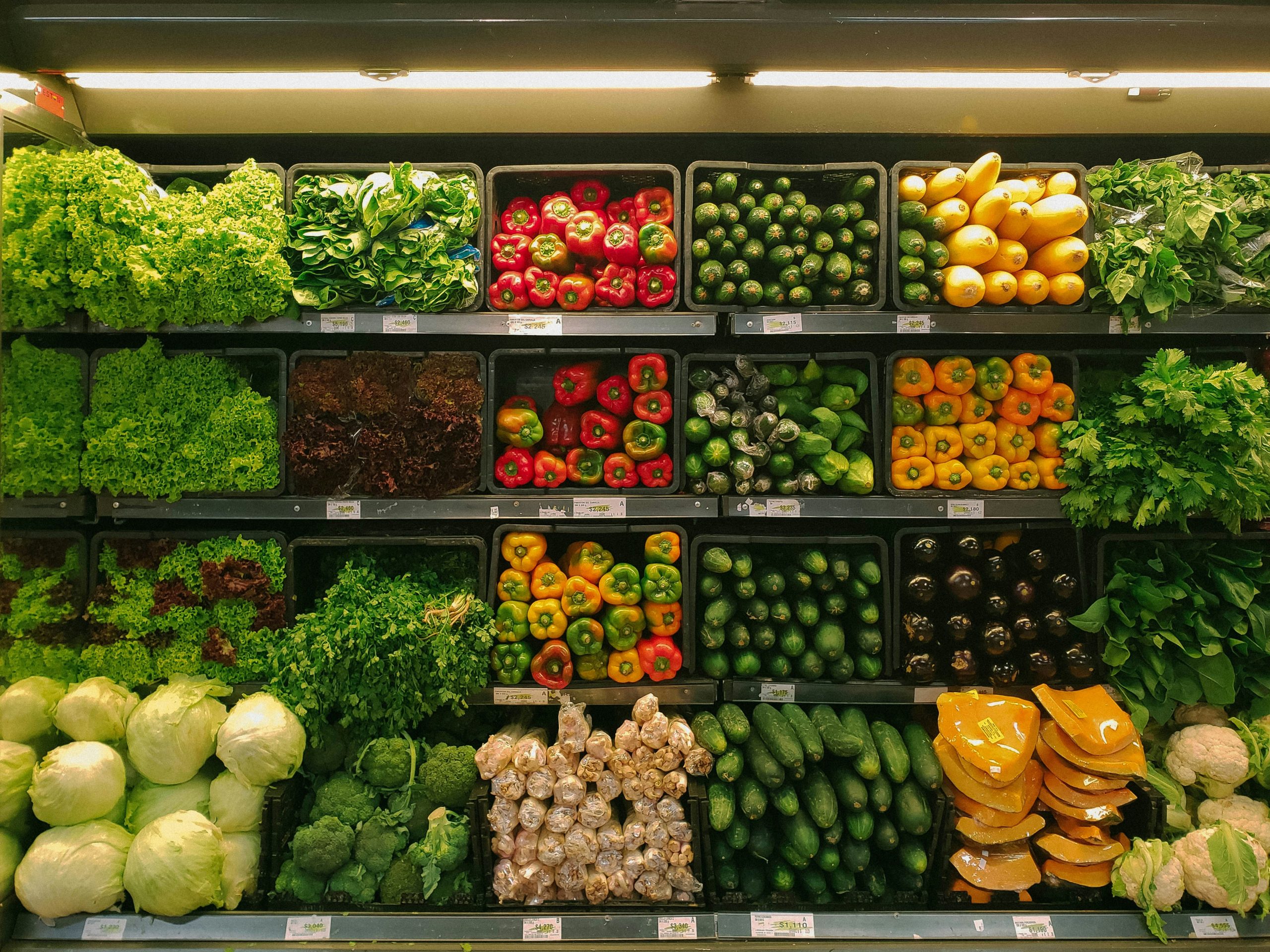
The question of what to eat with Crohn’s is one that researchers in the field of nutrition continue to explore. One key insight we already know is that ultra-processed foods—especially those containing preservatives, emulsifiers, stabilizers, carrageenan, and other additives—have been linked to increased intestinal permeability and inflammation. For this reason, it is advisable to limit or avoid foods with these ingredients.
Recent studies increasingly point to a strong connection between diet and inflammation in inflammatory bowel diseases (IBD). While there is no single diet that suits everyone, there is growing agreement on certain foods to limit—chief among them being ultra-processed foods.
But What Exactly Is Processed Food?
Ultra-processed foods are products that undergo multiple industrial processes and often contain added substances such as:
- Preservatives – to prolong shelf life
- Emulsifiers and stabilizers – to enhance texture, appearance, or consistency
- Additives like carrageenan, polysorbate 80, xanthan gum, and others – which research has linked to increased gut permeability and disruption of the gut microbiome
These ingredients may trigger inflammation or disturb the natural bacterial balance in the gut, processes known to worsen Crohn’s disease.
How to Recognize Processed Foods While Shopping
The easiest and most effective approach is to check the ingredient list on the package. Here are a few practical tips:
- Prefer products with short and simple ingredient lists. A good rule of thumb: if you can’t pronounce or recognize an ingredient, it may not belong in your diet.
- Avoid unfamiliar additives, especially those with “E-” numbers, or ingredients ending in “-ate” or “-in” that wouldn’t appear in a home-cooked recipe.
- Choose basic, natural versions of products. For example, soy milk can consist of just soybeans and water—or it might contain stabilizers, artificial flavorings, and added sugars. Go for the simpler option.
- Quick tip: Don’t rely on labels like “natural” or “healthy”—these are often just marketing terms. Always read the fine print.
What Should You Eat?
Recommended food choices will vary depending on your personal condition, nutritional needs, and symptom tolerance. However, in general, a diet focused on whole, minimally processed foods is encouraged. This includes:
- Fresh fruits and vegetables (as tolerated)
- High-quality sources of protein
- Whole grains (for those who can digest them well)
- Healthy fats such as olive oil, avocado, and nuts
This kind of diet may support gut health, reduce inflammation, and promote overall well-being for individuals living with Crohn’s disease.
Written by: Luba Plotkin, a Registered Dietitian (RD).